
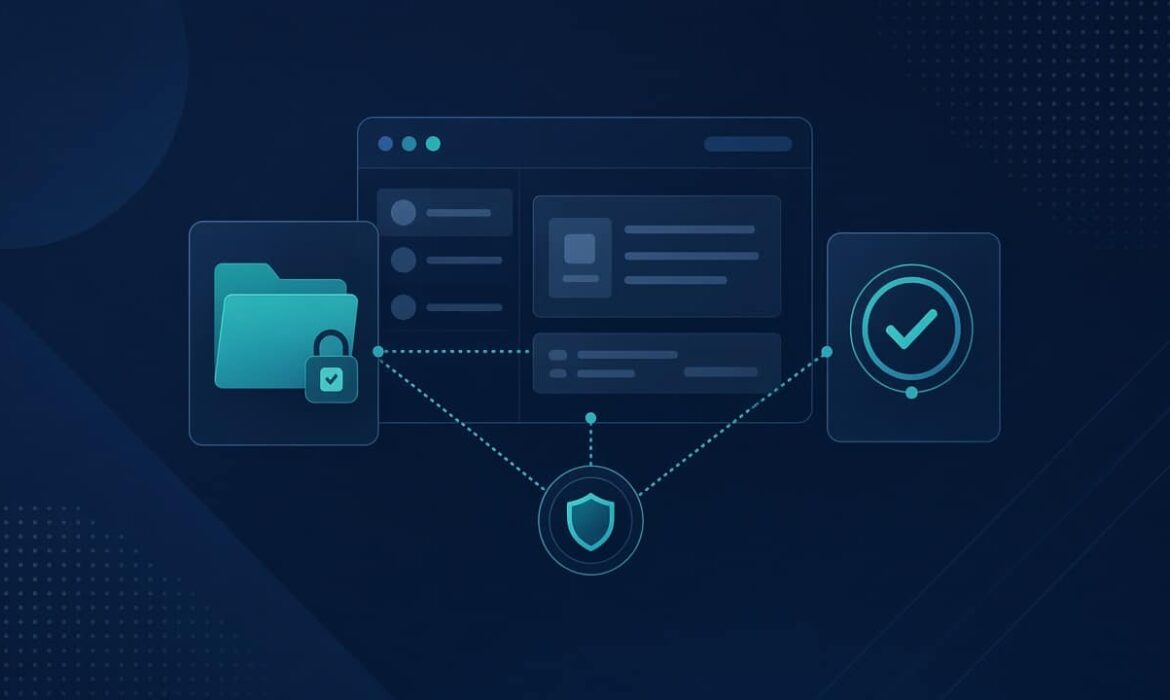
WordPress Client Portals for Onboarding, Files, and Approvals: Replace the SaaS Stack
Consolidate client onboarding, private files, and approvals into one branded WordPress portal – and retire the fragmented SaaS stack.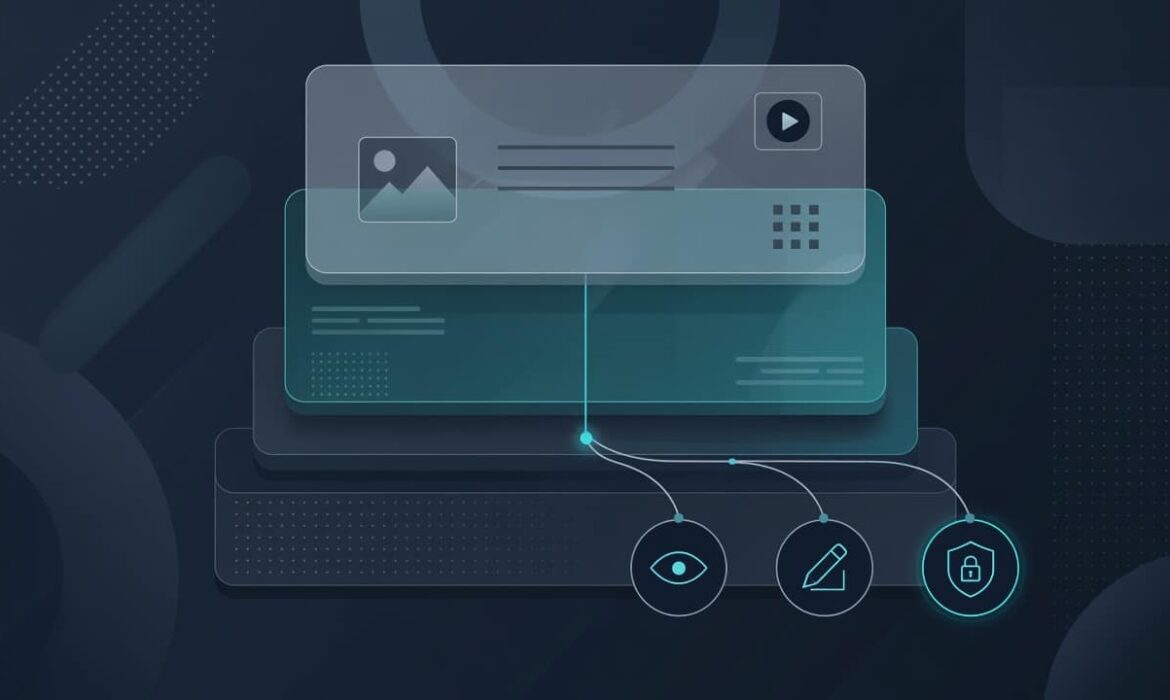
Enterprise WordPress Client Portals: RBAC Architecture and Schema for Generative Engine Optimization
How enterprise WordPress portals combine RBAC with public schema graphs so search and AI engines cite the right entities—not private data.
Enterprise WordPress Infrastructure: Domain Isolation & Performance
As enterprise organizations scale their digital footprints, monolithic WordPress deployments often encounter operational friction. Running a high-traffic marketing engine, a resource-heavy client portal, and dynamic custom post type (CPT) databases on a single shared origin server introduces severe performance degradation, shared memory locks, and amplified security risks.
Enterprise WordPress Security Architecture & WAF Hardening
For enterprise engineering teams, security remains the primary hesitation when deploying WordPress at scale. The open-source nature of the platform makes it a frequent target, but the vulnerability is rarely the core software itself. Over 98% of security compromises in the ecosystem stem from unvetted third-party plugins, weak database access controls, and unhardened REST API endpoints.