

Author: Dave Macdonald

Dave Macdonald

Founder & Lead Architect

Dave Macdonald is the Founder and Lead Systems Architect at Synct Collective, a specialized web engineering advisory based in the Isle of Man. With over two decades of hands-on experience in WordPress development, digital architecture, and technical branding, Dave specializes in high-performance web engineering, enterprise CMS migrations, and scalable system design.

Prior to founding Synct Collective, Dave was the founder of WP Tech Support, a global 24/7 maintenance and support agency that managed and secured over 600 WordPress sites worldwide. Having architected and maintained digital infrastructure at scale for hundreds of international site owners, his technical focus now centers on eliminating page-builder bloat, executing zero-downtime migrations, and optimizing server-level execution to deliver sub-second Core Web Vitals performance.

As an advocate for modern, scalable growth infrastructure, Dave’s work spans the entire digital acquisition lifecycle—from securing premium .com digital real estate and configuring high-deliverability cold email infrastructure (SPF, DKIM, DMARC alignment, and lead reactivation frameworks) to building custom Gutenberg architectures and structured JSON-LD schema for Answer Engine Optimization (AEO).

Branded WordPress client portal for onboarding, files, and approvals

WordPress Client Portals for Onboarding, Files, and Approvals: Replace the SaaS Stack

Consolidate client onboarding, private files, and approvals into one branded WordPress portal – and retire the fragmented SaaS stack.

Role-based access control for an enterprise WordPress client portal

Enterprise WordPress Client Portals: RBAC Architecture and Schema for Generative Engine Optimization

How enterprise WordPress portals combine RBAC with public schema graphs so search and AI engines cite the right entities—not private data.
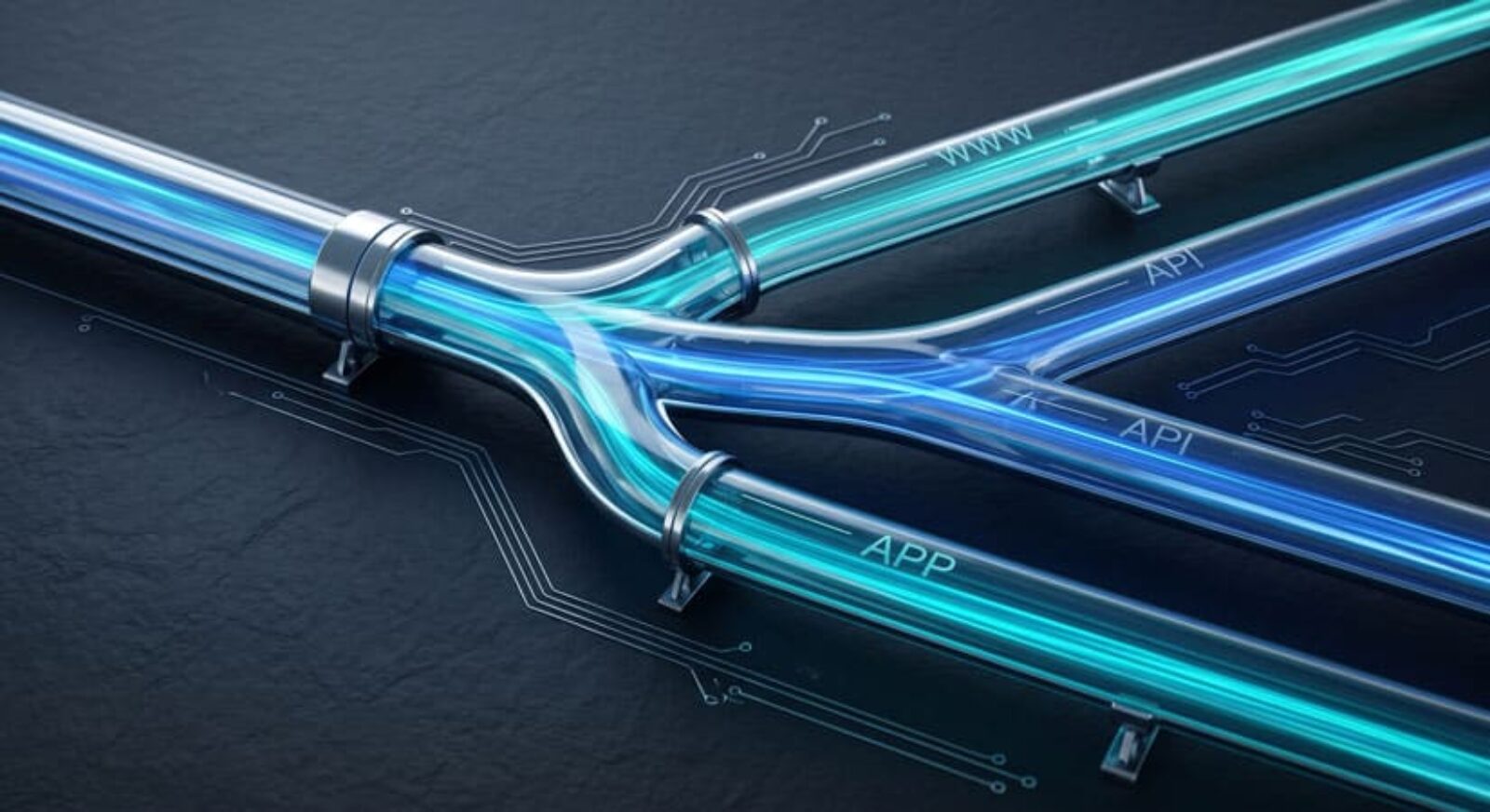
Diagrammatic illustration showing enterprise WordPress infrastructure isolating web, API, and app workloads into separate channels.

Enterprise WordPress Infrastructure: Domain Isolation & Performance

As enterprise organizations scale their digital footprints, monolithic WordPress deployments often encounter operational friction. Running a high-traffic marketing engine, a resource-heavy client portal, and dynamic custom post type (CPT) databases on a single shared origin...

3D illustration depicting a Web Application Firewall shield intercepting threats at the edge in a Zero-Trust WordPress security architecture.

Enterprise WordPress Security Architecture & WAF Hardening

For enterprise engineering teams, security remains the primary hesitation when deploying WordPress at scale. The open-source nature of the platform makes it a frequent target, but the vulnerability is rarely the core software itself. Over 98% of security compromises in the...
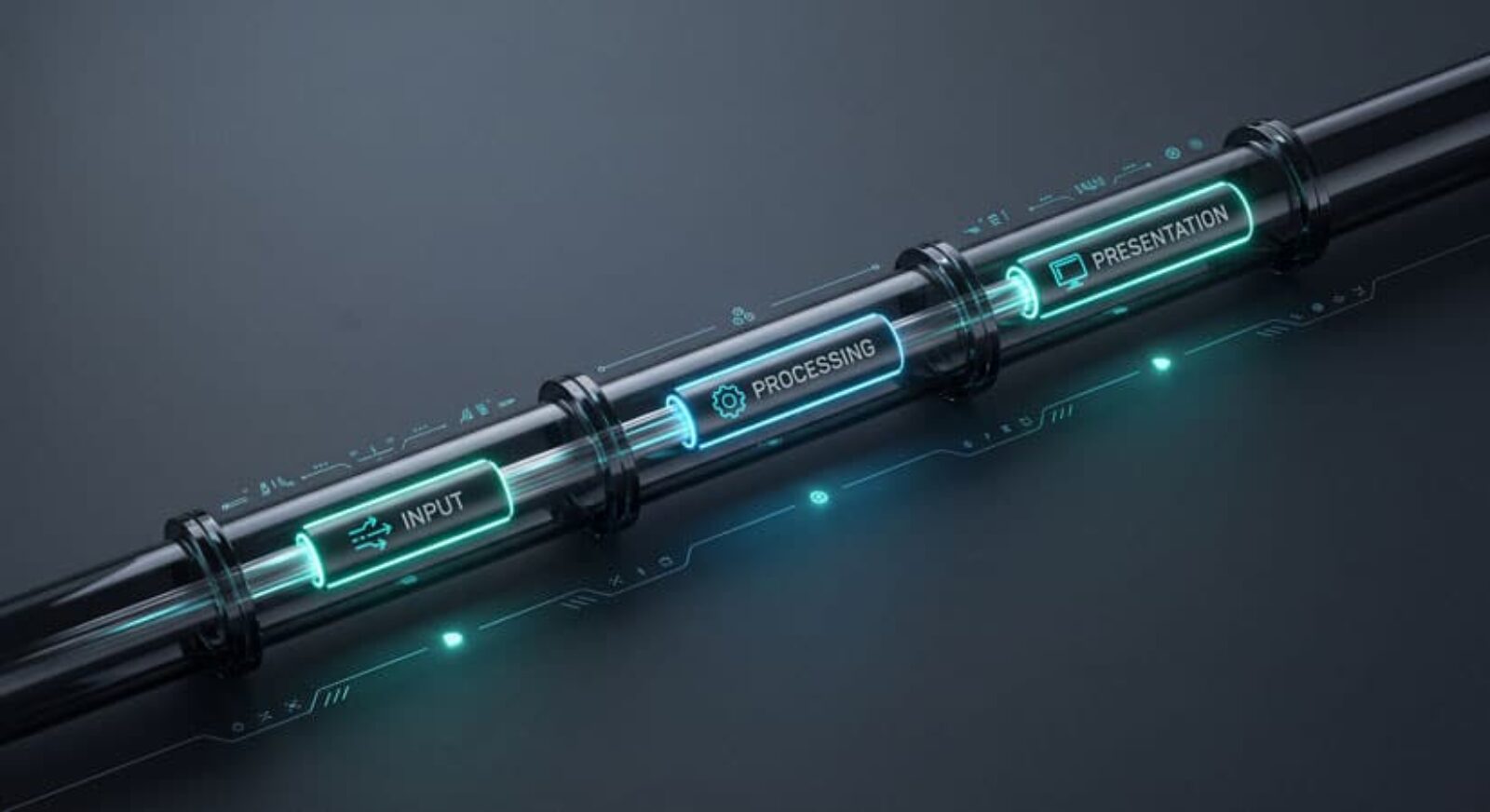
Diagram showing the three phases of Interaction to Next Paint: input delay, processing time, and presentation delay.

Mastering INP for Enterprise WordPress: Solving Main-Thread Bottlenecks for Sub-Second Execution

Google’s transition from First Input Delay (FID) to Interaction to Next Paint (INP) marked a fundamental shift in how web performance is measured. Where FID only measured the initial delay when a user first attempted to interact with a page, INP evaluates overall page...
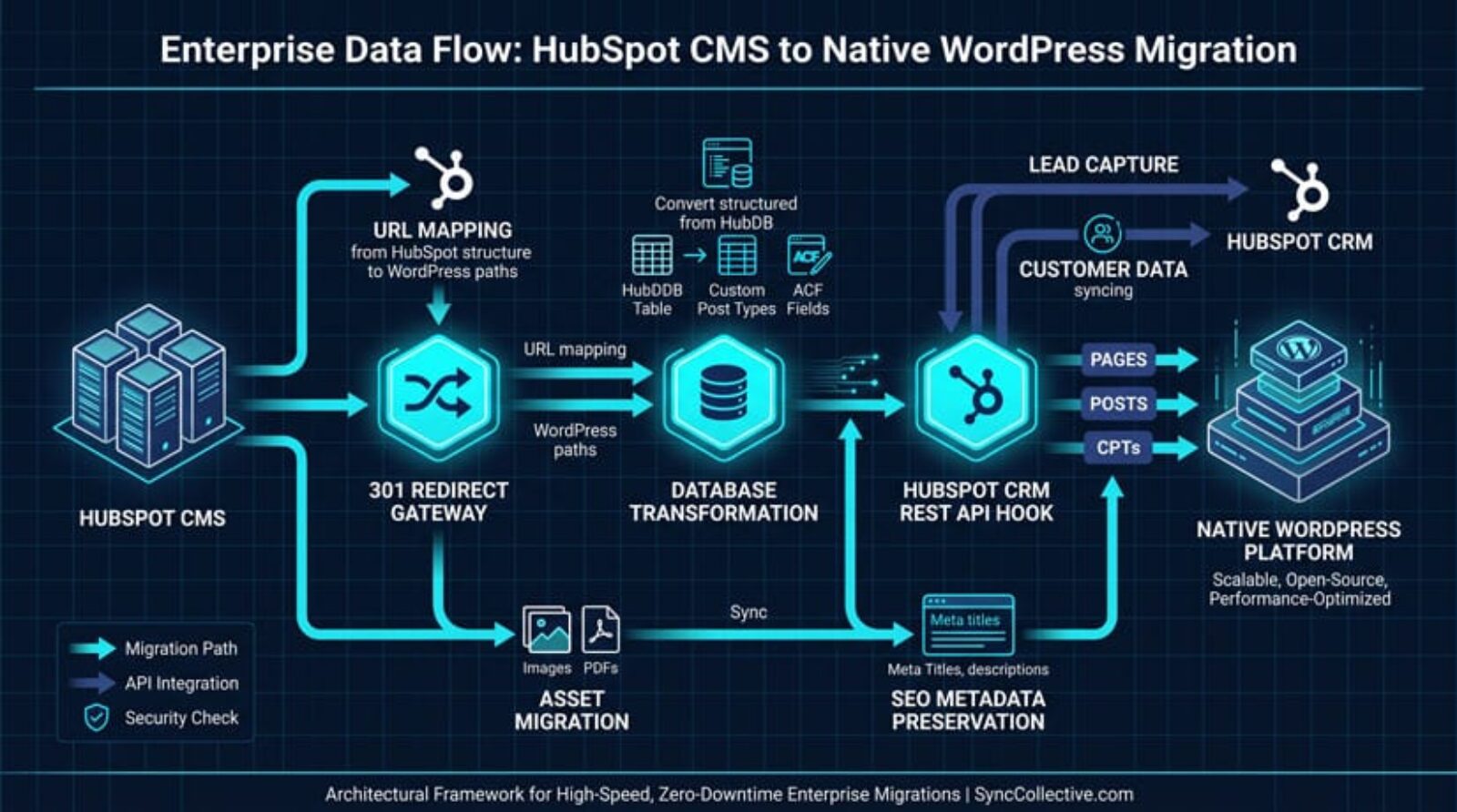
Enterprise CMS migration diagram illustrating data transformation from HubSpot CMS to native WordPress with 301 redirects and API lead capture.

Migrating Enterprise HubSpot CMS to WordPress: Preserving SEO Equity, Database Schemas, and Custom Workflows

As enterprise marketing and engineering teams scale, closed content management systems like HubSpot CMS Hub frequently shift from a convenient all-in-one platform to an expensive technical bottleneck. High monthly portal licensing, restricted server access, and proprietary...
Back to top